
WHY INCLUSION AND FUTURE SKILLS ARE REALLY THE SAME.
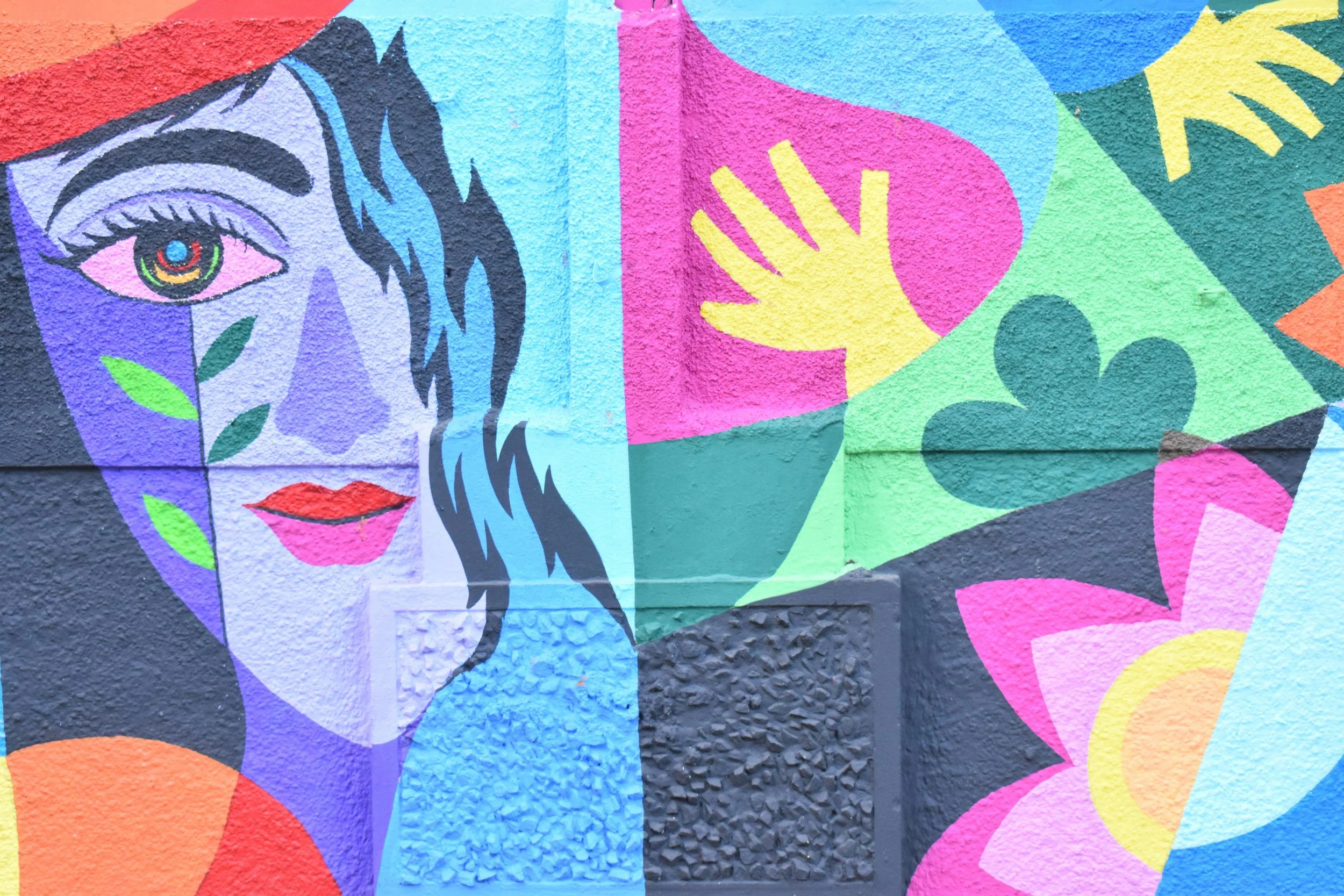
This week marks National Inclusion Week.
When we talk about the future of work, the conversation inevitably turns to AI. But when it comes to inclusion, we need to talk about human skills as part of the same important conversation.
New technologies, new ways of working and new technical capabilities all feature heavily in discussions about how organisations can stay competitive.
I attended an Inclusive Employers webinar today on future skills and expected much of the discussion to focus on exactly that. Instead, the conversation centred on three very human capabilities: curiosity, critical thinking and cultural intelligence.
What struck me wasn't just their importance. It was the realisation that these skills don't develop in isolation. They depend on workplaces where people feel able to ask questions, challenge thinking and learn from perspectives different to their own. In other words, they depend on inclusion.
Too often, organisations treat inclusion and future skills as separate priorities. One sits within culture and DEI, the other within talent and capability. Yet the more I reflected on the webinar, the more convinced I became that they're really the same conversation.
Curiosity starts with psychological safety
One of the most interesting points raised was that curiosity may become more valuable than expertise in the age of AI.
That's not to say expertise no longer matters. Rather, when information is instantly accessible and AI can generate answers in seconds, the people who create the most value are often those who ask the best questions.
Curiosity helps us move beyond assumptions and remain open to the possibility that we don't yet have the full picture. It's what drives learning, innovation and better decision-making.
However, curiosity only thrives in the right environment. If people feel they need to have all the answers, they're far less likely to admit uncertainty, explore new ideas or challenge accepted thinking. Creating a culture where it's safe to say, "I'm not sure" or "have we considered another perspective?" may be one of the most important things leaders can do.
Critical thinking matters more, not less
One comment from the webinar has stayed with me:
The biggest risk of AI isn't that it gets things wrong. It's that people stop questioning the answers it gives them.
As organisations become increasingly reliant on technology, there is a danger that speed and convenience replace judgement. The challenge isn't simply adopting AI. It's ensuring people continue to think critically about the information they receive.
Good critical thinking requires us to pause and ask questions. What evidence supports this? What assumptions are we making? What might we be missing?
It's also where inclusion plays an important role. Some of the best decisions emerge when different perspectives are brought into the conversation. People with different backgrounds and experiences often spot risks, opportunities or blind spots that others overlook.
In leading my organisation, I try to ask a simple question when discussing particularly difficult or thorny issues: What might I be missing? More often than not, I gain valuable insight from somebody who sees the situation differently to me – and that helps me make better decisions.
Cultural intelligence is about humility, not expertise
The third capability discussed was cultural intelligence, which felt like a natural extension of both curiosity and critical thinking.
As workplaces become more diverse and interconnected, our ability to work effectively with people whose experiences differ from our own becomes increasingly important. Yet cultural intelligence isn't about becoming an expert in every culture or difference. That's impossible.
Instead, it starts with recognising what we don't know.
The most culturally intelligent people I've worked with are rarely those who have all the answers. They're the people who listen carefully, avoid making assumptions and approach difference with genuine curiosity. They understand that another person's experience may be very different from their own and are willing to adjust their approach accordingly.
Importantly, this isn't something that can be achieved through a single piece of training. Awareness is helpful, but capability develops through practice, reflection and real conversations over time.
The common thread
Reflecting on the webinar afterwards, I recognised that curiosity, critical thinking and cultural intelligence are all connected.
Curiosity encourages us to seek different perspectives. Critical thinking helps us evaluate them. Cultural intelligence helps us engage with them effectively. All three depend on the same foundation: an inclusive culture.
If people don't feel safe to speak up, curiosity suffers. If we don't value different viewpoints, critical thinking becomes weaker. If we're unwilling to challenge our own assumptions, cultural intelligence never develops beyond awareness.
As we mark National Inclusion Week, perhaps the question for leaders isn't simply whether we're investing in future skills. It's whether we're creating the conditions in which those skills can flourish.
Because while AI will undoubtedly shape the future of work, our ability to remain curious, think critically and learn from one another will continue to be one of the most valuable capabilities we have.
And that's not just an inclusion issue—it's a business issue.